As more California homeowners explore energy-efficient heating and cooling solutions, heat pumps continue to attract attention for their ability to provide both heating and cooling from a single system. Along with potential energy savings, many homeowners are also interested in available rebate programs that can help reduce installation costs.
If you’ve been researching California heat pump rebates 2026, you’ve probably encountered a mix of old information, expired incentives, and changing program requirements. Because rebate programs evolve frequently, it’s important to understand which programs exist, who may qualify, and what homeowners should verify before moving forward with a replacement project.
This guide explains the major heat pump rebate programs associated with California, discusses eligibility basics, reviews contractor requirements, and outlines important considerations before replacing your HVAC system.
Why California Continues to Promote Heat Pumps
Heat pumps have become a major focus of California’s energy-efficiency and electrification initiatives.
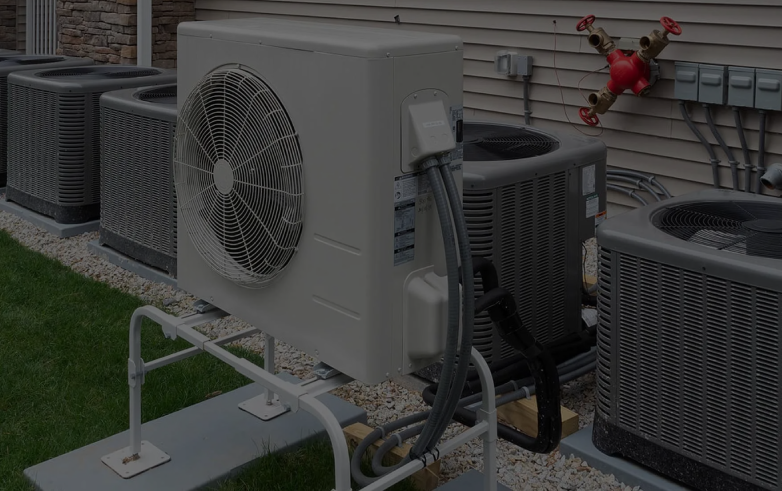
Unlike traditional systems that use a separate air conditioner and furnace, a heat pump HVAC system provides both heating and cooling.
Benefits may include:
- Improved energy efficiency
- Reduced reliance on fossil fuels
- Year-round comfort
- Lower emissions
- Support for electrification goals
- Potential eligibility for rebates and incentives
Because California generally experiences moderate winter temperatures, heat pumps can perform efficiently in many regions throughout the state.
Understanding California Heat Pump Rebate Programs
Several rebate and incentive programs have supported heat pump adoption in California over the past few years.
The most commonly discussed programs include:
- HEEHRA
- TECH Clean California
- Utility-sponsored rebates
- Local and regional energy-efficiency programs
Program funding, eligibility requirements, and availability can change over time, so homeowners should always verify current details before making purchasing decisions.
What Is HEEHRA?
HEEHRA stands for the High-Efficiency Electric Home Rebate Act.
The program is funded through the federal Inflation Reduction Act and administered in California through state-approved channels.
HEEHRA focuses on helping eligible households transition to energy-efficient electric technologies, including heat pumps. According to the California Energy Commission, qualifying homeowners may receive rebates for heat pump HVAC systems when eligibility requirements are met. Rebate amounts can vary based on household income and program rules.
Who May Qualify for HEEHRA?
Eligibility is generally based on:
- California residency
- Household income
- Existing heating equipment
- Project requirements
- Approved contractor participation
The California Energy Commission states that income-qualified homeowners may be eligible for rebates of up to $4,000 or up to $8,000, depending on household income levels and program requirements.
Because program funding and availability can change, homeowners should review current program guidance before assuming eligibility.
What Is TECH Clean California?
TECH Clean California is a statewide initiative designed to encourage adoption of clean, efficient electric technologies, including heat pumps.
The program has historically offered incentives for qualifying heat pump HVAC systems and other electrification projects. Incentive amounts have varied based on equipment type, region, funding availability, and eligibility criteria.
Many homeowners researching TECH Clean California rebate opportunities should be aware that funding availability changes periodically, and some incentive categories may become fully reserved or waitlisted. Program administrators regularly update incentive status information.
Current Program Availability in 2026
One of the biggest challenges homeowners face is finding accurate information regarding current rebate availability.
According to recent California Energy Commission and TECH Clean California updates, certain single-family HEEHRA rebate allocations became fully reserved and waitlisted during 2026, while future funding phases may be announced separately. Program status continues to evolve based on funding levels and participation rates.
Because availability can change quickly, homeowners should verify current program status directly with program administrators or qualified contractors before making decisions.
Why Contractor Selection Matters
One of the most important aspects of any rebate program is contractor participation.
Many rebate programs require installation by approved or specially trained contractors.
The California Energy Commission notes that HEEHRA rebates are available through contractors who are enrolled and trained within the applicable program framework. Working with a qualified contractor helps ensure projects meet program requirements and documentation standards.
Questions to Ask Your Contractor
Before signing a contract, consider asking:
- Are you familiar with current rebate programs?
- Do you participate in applicable incentive programs?
- Have you completed heat pump rebate projects previously?
- Will permits be handled as part of the installation?
- Can you help verify available incentives?
These discussions can help avoid misunderstandings and improve the likelihood of a smooth installation process.
Income-Qualified Rebate Opportunities
Many homeowners searching for heat pump rebates in California 2026 are specifically interested in income-based incentives.
Programs such as HEEHRA may offer enhanced incentives for income-qualified households. Qualification is generally based on household income compared to the area median income guidelines. Rebate levels vary depending on eligibility category and available funding.
Because income verification is often required, homeowners should be prepared to provide supporting documentation during the application process.
Heat Pump Replacement Planning
Rebates are only one factor when evaluating a heat pump replacement.
Homeowners should also consider:
Equipment Sizing
A properly sized system is essential for:
- Comfort
- Efficiency
- Equipment longevity
- Utility savings
Professional load calculations help ensure the heat pump matches the home’s heating and cooling requirements.
Existing Electrical Capacity
Some homes may require electrical upgrades before installing new equipment.
Potential considerations include:
- Electrical panel capacity
- Circuit availability
- Wiring requirements
An assessment helps determine whether additional electrical work is necessary.
Ductwork Condition
Existing duct systems should be evaluated for:
- Air leakage
- Proper sizing
- Airflow performance
Improving ductwork can help maximize heat pump efficiency.
California Energy Commission Requirements
The California Energy Commission plays an important role in administering various energy-efficiency programs and establishing requirements related to rebate eligibility.
Program requirements may involve:
- Equipment efficiency standards
- Approved products
- Installation guidelines
- Contractor participation requirements
- Documentation standards
Homeowners should always verify that proposed equipment meets applicable program requirements before installation.
Why Permits Are Important
Heat pump installations often require permits depending on the scope of work.
Permitting helps ensure:
- Code compliance
- Safe installation
- Electrical safety
- Proper inspections
- Long-term reliability
Working with a licensed contractor helps ensure required permits and inspections are completed properly.
Common Homeowner Mistakes
When researching rebates, homeowners sometimes make avoidable mistakes that can create complications.
Common issues include:
Assuming Old Information Is Still Current
Program funding and eligibility can change rapidly.
Always verify information through current program resources.
Starting Work Too Early
Some programs require approvals or reservations before installation begins.
Failing to follow required procedures may affect eligibility.
Choosing Equipment Before Verifying Requirements
Not all equipment automatically qualifies for every program.
Eligibility standards should be reviewed before installation.
Working With Inexperienced Contractors
Contractors familiar with heat pump projects and incentive programs can help reduce administrative issues and improve project outcomes.
Beyond Rebates: Long-Term Benefits of Heat Pumps
Even when rebate funding changes, homeowners continue to choose heat pumps for several reasons.
Potential advantages include:
- Heating and cooling from one system
- Improved efficiency
- Electric operation
- Reduced dependence on gas equipment
- Modern comfort features
- Support for future electrification goals
For many households, these long-term benefits remain important regardless of available incentives.
How to Stay Updated on Rebate Changes
Because rebate programs continue to evolve, homeowners should periodically check:
- California Energy Commission updates
- TECH Clean California announcements
- Utility incentive programs
- Contractor guidance
- Local energy-efficiency initiatives
Staying informed helps ensure you understand the latest opportunities before beginning a project.
Final Thoughts
The landscape for California heat pump rebates 2026 continues to evolve as funding levels, eligibility requirements, and program availability change. Programs such as HEEHRA and TECH Clean California have helped many homeowners explore heat pump upgrades, but availability and requirements should always be verified before making purchasing decisions.
If you’re considering a heat pump replacement, focus not only on potential rebates but also on proper system sizing, contractor qualifications, electrical readiness, and long-term energy goals. A well-planned installation can provide years of reliable comfort and efficiency regardless of incentive availability.
Ask About Heat Pump Replacement Options
If you’re considering replacing your HVAC system and want guidance on available heat pump solutions, Ethical Mechanical can help.
Ask about heat pump replacement options today.
Our team can evaluate your home’s heating and cooling needs, discuss equipment choices, explain installation requirements, and help you understand current opportunities that may be available for your project.