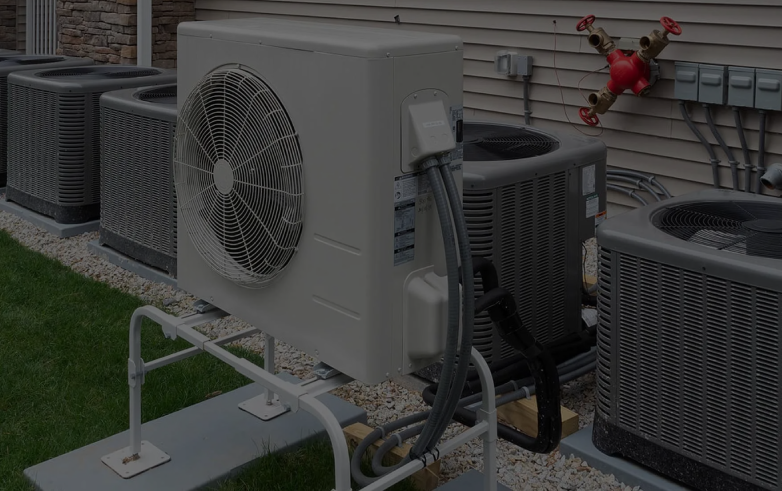
When it comes time to replace your HVAC system, one of the biggest decisions homeowners face is whether to install a traditional air conditioner or upgrade to a heat pump system. Both options can provide reliable cooling, but they operate differently and offer unique advantages depending on your home’s needs, energy goals, and long-term plans.
As California continues to emphasize energy efficiency and electrification, more homeowners are researching heat pumps as an alternative to traditional heating and cooling systems. Understanding the differences between a heat pump and an AC system can help you make an informed decision before investing in a replacement.
In this guide, we’ll compare heat pumps and air conditioners, explain how each system works, discuss efficiency ratings, review California energy considerations, and help homeowners determine which option may be the better fit for their property.
Understanding the Difference Between a Heat Pump and an Air Conditioner
At first glance, heat pumps and air conditioners appear very similar. In fact, both systems use refrigeration technology to cool indoor spaces.
The primary difference is that:
- An air conditioner only provides cooling.
- A heat pump HVAC system provides both heating and cooling.
During warm weather, both systems remove heat from inside the home and transfer it outdoors.
When temperatures cool down, a heat pump can reverse the process, extracting heat from outdoor air and moving it inside the home for heating.
This dual-purpose functionality is one reason heat pumps have become increasingly popular throughout California.
How a Traditional Air Conditioner Works
A standard central air conditioning system is designed exclusively for cooling.
The system typically consists of:
- Outdoor condenser unit
- Indoor evaporator coil
- Refrigerant lines
- Thermostat
- Air distribution system
During operation:
- Indoor heat is absorbed by refrigerant.
- Heat is transferred outdoors.
- Cool air is distributed throughout the home.
Because an air conditioner only cools, homeowners typically need a separate heating source, such as a furnace, during colder months.
How a Heat Pump Works
A heat pump uses similar components but adds the ability to reverse the refrigeration cycle.
During summer:
- The system functions like a standard AC.
During winter:
- The system extracts heat from outdoor air.
- Heat is transferred indoors.
- The home is warmed without combustion-based heating.
This process allows one system to handle both heating and cooling requirements.
For many California homeowners, the ability to eliminate or reduce dependence on traditional gas heating is a major advantage.
Why Heat Pumps Are Gaining Popularity in California
California has increasingly encouraged energy-efficient technologies and building electrification initiatives.
Several factors contribute to the growing popularity of heat pumps:
- Improved energy efficiency
- Reduced reliance on fossil fuels
- Compatibility with modern energy goals
- Availability of rebates and incentives
- Compliance with evolving building standards
Because California generally experiences milder winters compared to many other states, heat pumps often perform very efficiently throughout the year.
Comparing Cooling Performance
One common misconception is that heat pumps don’t cool as effectively as air conditioners.
In reality, modern heat pumps and air conditioners provide very similar cooling performance.
Both systems:
- Use refrigerant-based cooling
- Deliver conditioned air through ductwork
- Can maintain comfortable indoor temperatures
- Utilize programmable thermostats
- Offer high-efficiency equipment options
When properly sized and installed, a heat pump can cool a home just as effectively as a traditional air conditioning system.
Comparing Heating Performance
The heating side of the comparison is where major differences emerge.
Air Conditioner with Furnace
A traditional setup combines:
- Air conditioner for cooling
- Furnace for heating
The furnace generates heat through combustion or electric resistance and distributes warm air through the home’s duct system.
Heat Pump System
A heat pump provides heating without combustion.
Benefits may include:
- Electric operation
- Energy-efficient heating
- Consistent indoor comfort
- Reduced equipment complexity
For many California homeowners, this can be an attractive option as electrification efforts continue to expand.
Understanding SEER2 and HSPF2 Ratings
Efficiency ratings are important when comparing HVAC systems.
SEER2
SEER2 stands for Seasonal Energy Efficiency Ratio 2.
This rating measures cooling efficiency.
Higher SEER2 ratings generally indicate:
- Greater cooling efficiency
- Lower energy consumption
- Reduced operating costs
Both air conditioners and heat pumps receive SEER2 ratings.
HSPF2
HSPF2 stands for Heating Seasonal Performance Factor 2.
This rating applies specifically to heat pumps and measures heating efficiency.
Higher HSPF2 ratings generally indicate:
- Improved heating performance
- Better energy efficiency
- Lower operating expenses
When comparing systems, evaluating both SEER2 and HSPF2 ratings provides a more complete picture of overall performance.
Energy Efficiency Considerations
One of the primary reasons homeowners consider heat pumps is efficiency.
Because heat pumps transfer heat rather than generate it, they can often provide more heating energy than the electricity they consume.
Potential benefits include:
- Reduced energy usage
- Lower operating costs
- Improved environmental performance
- Enhanced year-round efficiency
However, actual savings depend on:
- Home insulation
- Local climate conditions
- Equipment sizing
- Installation quality
- Utility rates
A professional evaluation can help determine potential efficiency improvements for your specific property.
California Energy Code Considerations
California’s building requirements continue to evolve in support of energy efficiency and electrification goals.
The state’s Title 24 building standards and broader California Energy Code requirements influence how HVAC systems are selected and installed.
These standards are designed to encourage:
- Energy-efficient equipment
- Reduced energy consumption
- Improved building performance
- Electrification readiness
While not every replacement project requires major changes, homeowners planning HVAC upgrades should work with qualified professionals familiar with current code requirements.
Proper permitting and code compliance help ensure long-term performance and safety.
Rebates and Incentive Opportunities
One of the advantages of considering a heat pump replacement is the potential availability of rebates and incentives.
Various programs may offer financial assistance for qualifying upgrades.
Potential incentives can vary based on:
- Equipment efficiency ratings
- Household eligibility
- Utility provider programs
- State and local initiatives
- Electrification projects
Because rebate programs change periodically, homeowners should consult current program guidelines and qualified contractors for updated information.
A professional HVAC consultation can help identify opportunities that may apply to your project.
Installation Considerations
Both heat pumps and air conditioners require proper sizing and installation.
Key factors include:
Load Calculations
A professional load calculation evaluates:
- Home size
- Insulation levels
- Window placement
- Occupancy patterns
- Climate conditions
Proper sizing helps maximize comfort and efficiency.
Ductwork Assessment
Existing duct systems should be evaluated to ensure compatibility with new equipment.
Electrical Requirements
Heat pumps may require electrical upgrades depending on the home’s current infrastructure.
Thermostat Compatibility
Modern systems often utilize advanced thermostat controls to optimize performance.
Installation quality plays a significant role in long-term system success regardless of equipment type.
When a Traditional Air Conditioner May Make Sense
A traditional AC replacement may be appropriate if:
- Your existing furnace remains in excellent condition
- You prefer separate heating and cooling systems
- Your current setup meets your long-term needs
- Heating demand is already adequately addressed
In some situations, replacing only the cooling equipment can be the most practical solution.
When a Heat Pump May Be the Better Choice
Many homeowners explore heat pump benefits in California because they want:
- One system for heating and cooling
- Improved efficiency
- Electrification compatibility
- Reduced reliance on gas equipment
- Potential rebate opportunities
- Long-term energy savings
For homes considering HVAC modernization, a heat pump can offer a compelling solution.
Factors to Consider Before Making a Decision
Every home is different, and there is no universal answer that works for everyone.
When comparing a heat pump versus an air conditioner, consider:
- Existing HVAC equipment condition
- Home energy goals
- Budget considerations
- Utility costs
- Heating requirements
- Future remodeling plans
- Electrification objectives
- Available rebates
A professional assessment can help determine which system aligns best with your property’s needs.
The Importance of Professional Sizing and Installation
Whether you choose a heat pump or a traditional air conditioner, proper installation remains critical.
Incorrect sizing can lead to:
- Reduced efficiency
- Uneven temperatures
- Increased energy consumption
- Premature equipment wear
- Higher operating costs
Working with experienced HVAC professionals helps ensure equipment is selected, installed, and configured properly for long-term performance.
Final Thoughts
Choosing between a heat pump and an air conditioner is one of the most important HVAC decisions a California homeowner can make. Both options can provide reliable cooling, but heat pumps offer the added advantage of efficient electric heating and alignment with many of California’s evolving energy goals.
The best choice depends on your home’s existing equipment, heating requirements, efficiency priorities, and future plans. By understanding the differences between these systems and evaluating your property’s needs, you can make a confident decision that supports comfort, performance, and long-term value.
Request Heat Pump Consultation
If you’re considering an HVAC replacement and want help comparing your options, Ethical Mechanical can help.
Request a heat pump consultation today.
Our team can evaluate your current system, discuss efficiency goals, review replacement options, and help determine whether a heat pump or traditional air conditioning system is the right fit for your California home.